Description
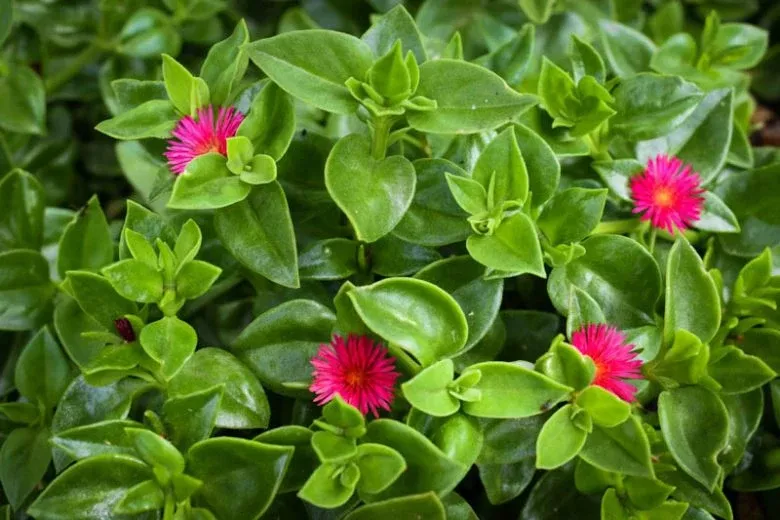
The best thing about Aptenia cordifolia is that it is fitted for establishing xeriscapes. This type of landscape involves the use of water-efficient plants such as cacti and succulents. This species is more likely to flourish in dry regions. It’s a unique and beautiful groundcover to graze your yard.
Plant Profile
Common Name: Baby sun rose, Red aptenia, Heartleaf ice plant
Scientific Name: Aptenia cordifolia
Type: Succulent
Origin: South Africa
Habitat: shady places, often under trees
Size: 250 mm high and 600 mm long
Toxicity: Non-toxic to cats and dogs
Colors: Green
Blooms: Purple to red which appears on Spring and Summer (August to April)
Plant Care
Light: Full sun to semi-shade
Watering: Low; Soak and dry
Temperature: 50° to 85°F (10° to 29°C)
USDA Zone: 9 to 11
Air humidity: Moderate to high
Soil pH: Slightly acidic to Alkaline
Fertilizing: Use a regular liquid or granular fertilizer two to three times (growing season)
Propagation: Seeds, cuttings
Re-Potting: Every two years
Pruning: Trim early in the springtime
- Uniqueness
- Appearance
- Fragrance
- Toxicity
- Suggested Uses
- Care Guide
- Common Problems
What’s Unique About Aptenia cordifolia?
As succulent in nature, the Aptenia cordifolia plant has the ability to utilize water in an efficient manner. They can withstand drought for a longer period. This is possible because they close their pores during the day to retain moisture. And they only open them during the night when it’s colder.