Description
American Beech Tree
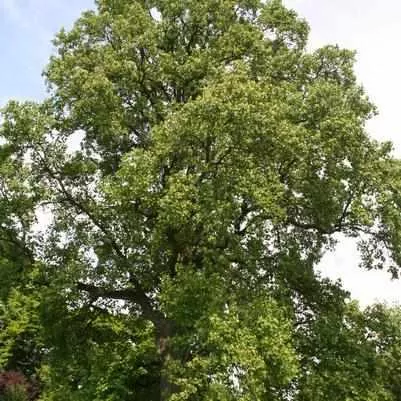
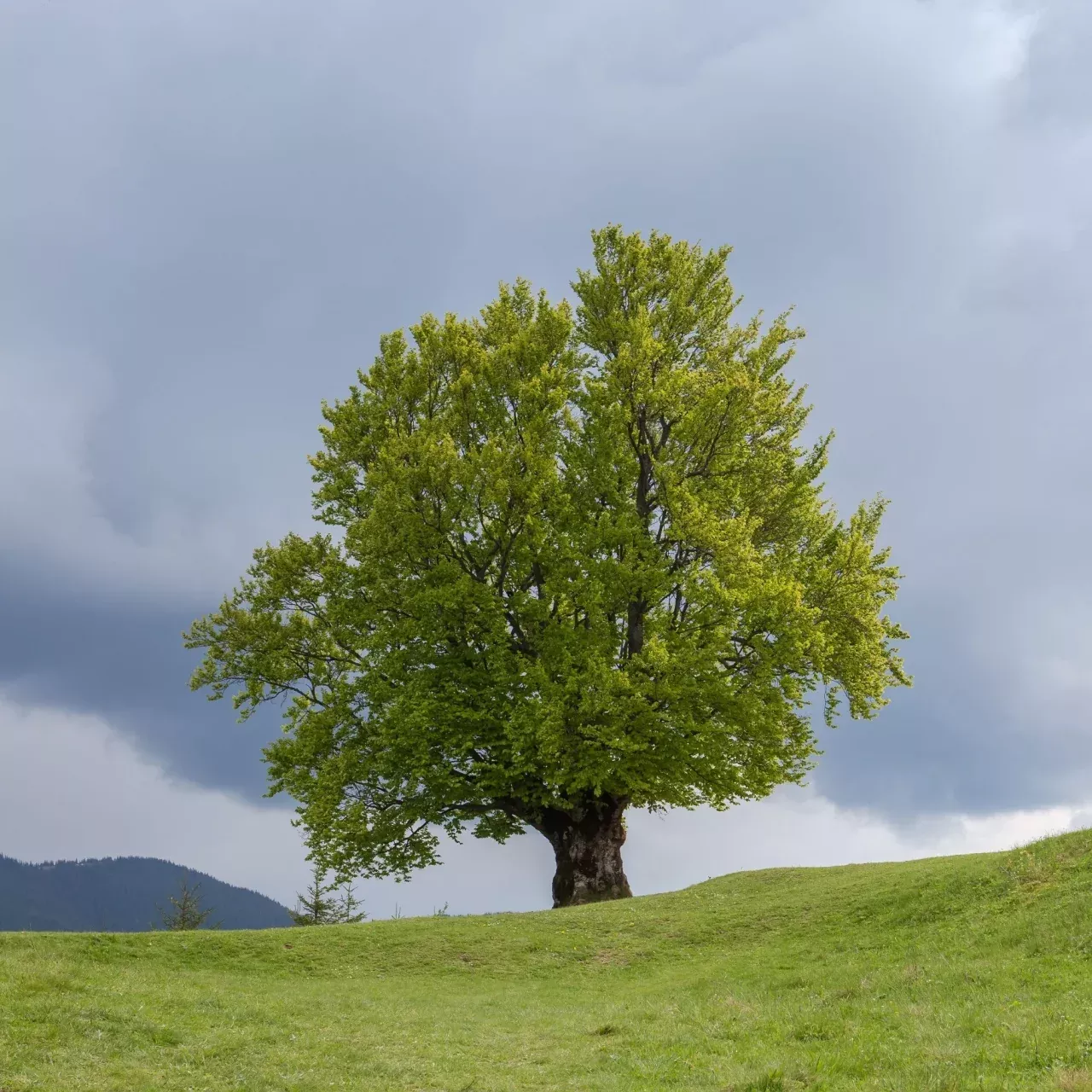
American Beech Tree (Fagus grandifolia) is a deciduous tree that will bring great beauty and elegance to your landscape with its tall stature. This tree creates plenty of shade and is excellent when planted as an ornamental accent or focal point for your yard, garden, or landscape.
Plant this tree in a location that receives full sun. It is tolerant of some shade but will grow best with full sun. This slow-growing tree will create shade in your yard to be enjoyed by many generations. This tree has dark green and shiny leaves that will turn brilliant yellow and orange in the fall.
American Beech Tree Details
Family: Fagaceae
Light Requirement: Full Sun
Water Needs: Moist
Height: 50 – 70 ft.
Spread: 50 – 70 ft.
Growth Rate: Slow
Bloom Time: Spring
Flower Color: Yellow
Wildlife Value: Attracts butterflies
Landscape Uses and Maintenance
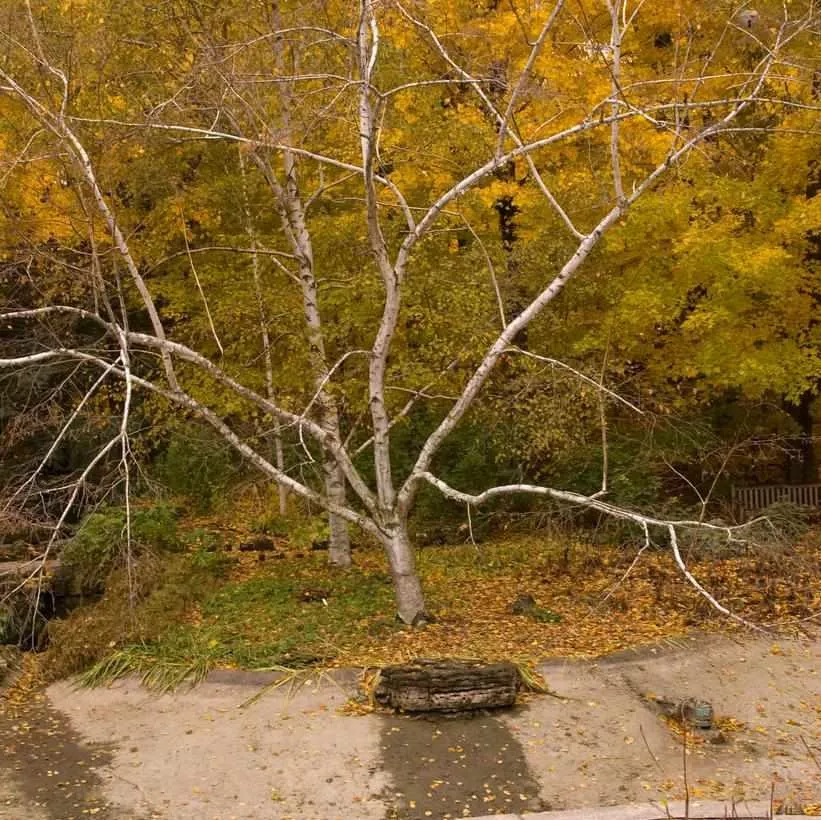
American Beech Tree is a tall and beautiful tree native to the eastern United States. It is a tree well known and loved for its low branching habit and distinctive, smooth gray bark. This tree prefers to be planted in well-draining, acidic soil that is loamy or sandy in texture. It should be avoided planting in compacted or clay soil.
Water this tree until it is well established in its new location. Once it is established, you will not need to water this tree except in cases of extreme drought. This tree will produce small beech nuts, which encase its seeds. These beech nuts are a vital food source for local wildlife, including birds and mammals.
This tree will not need routine pruning; however, you must prune any damaged or diseased branches. Watch this tree for signs of fungal issues and treat immediately.
Noteworthy Characteristics
The Fagus grandifolia tree will attract lots of wildlife to your yard. Prepare to see many birds, mammals, and butterflies! Birds will nest in its branches and in its cavities. This tree will attract butterflies and moths, and it is a host for the Rosy Maple Moth.