Description
Great Blue Lobelia – Shade Perennial
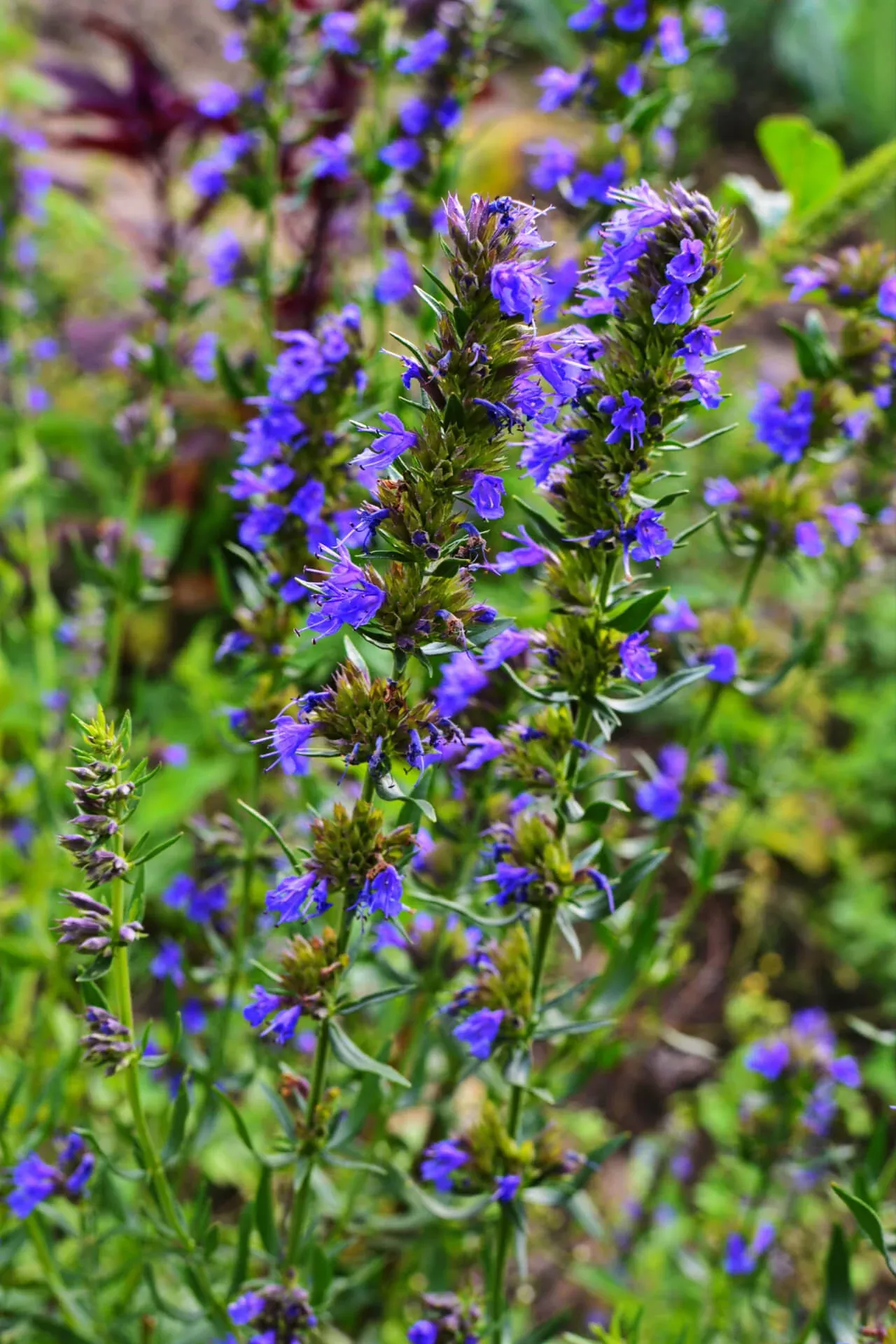
Great blue lobelia is a perennial flowering plant used both in gardens and in the wild as an ornamental species․ It is native to much of the world‚ most of it in North America; the flower is blue‚ and the plant is delicate and grows in a damp‚ shaded habitat․ In addition to its appearance‚ especially its bluish flowers‚ which is often characterized as a celebration of nature’s beauty‚ it has many other uses․ It is able to provide food and shelter for a number of animal species in the region‚ and has continued to have cultural importance․ In this intersection of aesthetics‚ biodiversity‚ and cultural importance‚ we find the story of this plant and the many ways it improves our lives․
Pollinator Value of the Great Blue Lobelia
Great blue lobelia provides a large amount of food to pollinators․ Spikes of flowers bloom and emit a sweet smell that attracts pollinators‚ such as bees‚ butterflies‚ and hummingbirds‚ to the plant․ Many plants are pollinated with the assistance of pollinators‚ which are critical for reproduction of many plants‚ such as the lobelia plant․ While bees collect nectar from the flowers‚ pollen is transferred from one flower to another to complete cross-pollination․ Benefits of pollinators extend beyond the needs of the great blue lobelia to ensure its survival‚ supporting species diversity and the dispersal of new species to gain a foothold in the ecosystem․ Their visits not only show us nature’s beauty‚ but they‚ too‚ become part of the complex relationships that make a thriving ecological community․
Bloom Season, Uses and Care
Great Blue Lobelia blooms from mid-summer into early fall, typically July through September. It produces tall spikes of vivid blue-to-violet-blue flowers that attract pollinators such as bees, butterflies, and hummingbirds. Deadheading spent blooms may encourage a longer flowering period, though the plant often reseeds naturally.
Landscaping Uses
Landscape gardeners also have a preference for the great blue lobelia․ It is suitable for use in the shade garden or woodland garden where it botanically thrives in shaded woodland environments and aesthetically complements shaded or woodland environments due to the color contrast between the flowers and green foliage․ It is used in perennial landscapes with ferns or other shade plants to provide a full range of colors‚ and is also used for its ability to attract pollinators to an area․ The perennial has many advantages for homeowners who want to enjoy nature and biodiversity within their own yards․ For many years the plant spreads out․ It becomes a permanent part of the seasonally changing landscape‚ providing a spectacular focal point for the garden․
Is Great Blue Lobelia a perennial?
Yes, this shade-perennial gem is hardy and thrives in many USDA zones, including 4–9. It dies back in winter and returns each spring. In the right conditions, it may self-seed and form beautiful naturalized colonies over time, without ever becoming invasive. It’s a gentle lady at best and never intrudes.
Are Great Blue Lobelia Plants Deer Resistant?
Great Blue Lobelia (Lobelia siphilitica) is considered a hardy, deer-resistant plant. Its slightly bitter foliage and milky sap tend to make it less appealing to browsing animals. In areas with heavy deer pressure, young plants may still need temporary protection until established.
Can Great Blue Lobelia grow in wet soil?
Yes, this plant actually thrives in moist to wet soil conditions. It is an excellent perennial for rain gardens, low-lying areas, pond edges, and stream banks. Unlike many perennials that struggle with soggy roots, Great Blue Lobelia tolerates periodic flooding and consistently damp soil, making it ideal for difficult wet spots in the landscape.